Traditional South African Recipes
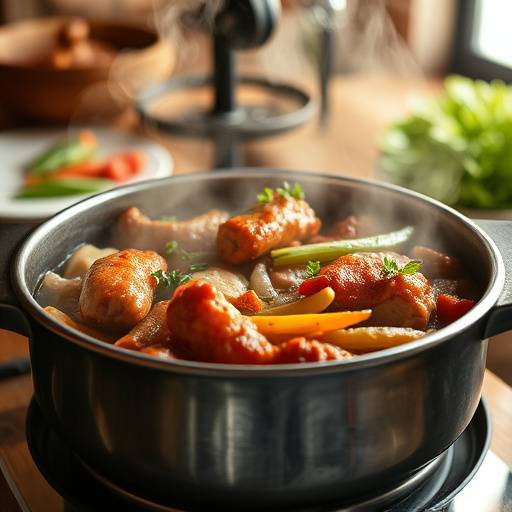
Potjiekos
Potjiekos, meaning "small pot food," is a traditional South African stew cooked in a three-legged cast iron pot over an open fire. It's a social and flavorful experience, perfect for gatherings.
Ingredients: Lamb or beef, vegetables (potatoes, carrots, onions, cabbage), spices (coriander, cloves, pepper), stock, and red wine.
Preparation: The meat is browned first, followed by layering the vegetables and stock. It simmers slowly for hours, resulting in tender meat and flavorful vegetables. The addition of a touch of red wine enhances the richness.
Cultural Significance: Potjiekos is deeply rooted in South African culture, often enjoyed during outdoor celebrations and representing a shared culinary heritage.

Boerewors
Boerewors, meaning "farmer's sausage," is a coarsely ground sausage traditionally made from beef, pork, and spices. It is a staple at any South African braai (barbecue).
Ingredients: Beef, pork, spices (coriander, cloves, nutmeg), and vinegar.
Preparation: The meat is coarsely ground and mixed with spices and vinegar. The mixture is then stuffed into sausage casings and grilled over an open flame. The distinct flavor profile is attributed to the unique blend of spices.
Cultural Significance: Boerewors is synonymous with South African braais, representing a social and festive way of enjoying food with family and friends. It's a national culinary treasure.
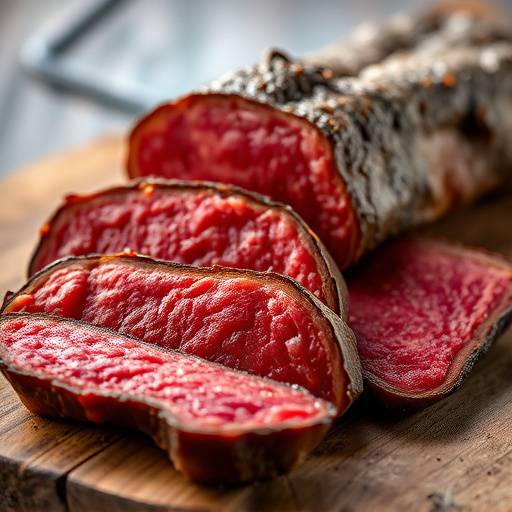
Biltong
Biltong is a form of dried, cured meat that originated in South Africa. It's similar to jerky but typically thicker and seasoned differently. It's a popular snack and a source of protein.
Ingredients: Beef (silverside or topside), vinegar, salt, coriander, pepper, and sometimes sugar.
Preparation: The meat is marinated in a vinegar and spice mixture, then air-dried for several days. The drying process preserves the meat and intensifies the flavors. Different spices and marinades create various flavor profiles.
Cultural Significance: Biltong has been a staple in South African cuisine for centuries, originally created as a way to preserve meat. It's a popular snack enjoyed by people of all ages and is often associated with outdoor activities.
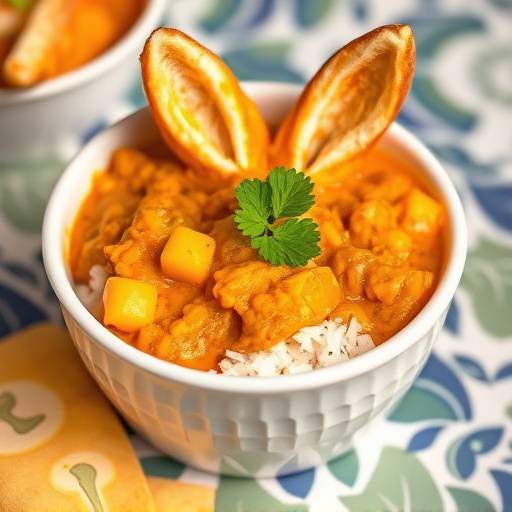
Bunny Chow
Bunny Chow is a South African fast food dish consisting of a hollowed-out loaf of bread filled with curry. Originating in Durban, it's a flavorful and filling meal.
Ingredients: A loaf of white bread, curry (lamb, chicken, or beans), and spices.
Preparation: The bread is hollowed out, and the cavity is filled with curry. The portion of bread removed is often used as a "lid." The curry is typically a spicy Durban curry, known for its rich flavors and use of Indian spices.
Cultural Significance: Bunny Chow has a rich history in Durban, believed to have originated as a convenient way for Indian laborers to carry their lunches. It's now a popular street food dish enjoyed throughout South Africa.

Bobotie
Bobotie is a traditional South African dish consisting of spiced minced meat baked with an egg custard topping. It's a flavorful and comforting meal with Malay influences.
Ingredients: Minced beef or lamb, bread soaked in milk, onions, spices (curry powder, turmeric, coriander), dried apricots, chutney, and eggs.
Preparation: The minced meat is mixed with spices, onions, bread soaked in milk, and dried fruit. The mixture is then topped with an egg custard and baked until golden brown. The combination of sweet and savory flavors makes it a unique and satisfying dish.
Cultural Significance: Bobotie is a dish with Cape Malay roots, reflecting the cultural diversity of South African cuisine. It's often served with yellow rice, chutney, and bananas.

Melktert (Milk Tart)
Melktert, or Milk Tart, is a traditional South African dessert consisting of a sweet pastry crust filled with a creamy milk custard and dusted with cinnamon. It’s a light and comforting treat.
Ingredients: Pastry crust (flour, butter, sugar, eggs), milk, sugar, eggs, flour, cornstarch, vanilla extract, and cinnamon.
Preparation: The pastry crust is baked until golden brown. The milk custard is made by heating milk with sugar, eggs, flour, and cornstarch until thickened. The custard is then poured into the crust and baked until set. Finally, it's dusted with cinnamon before serving. The tart can be served warm or cold.
Cultural Significance: Melktert is a beloved South African dessert, often enjoyed with tea or coffee. It’s a staple at family gatherings and celebrations.
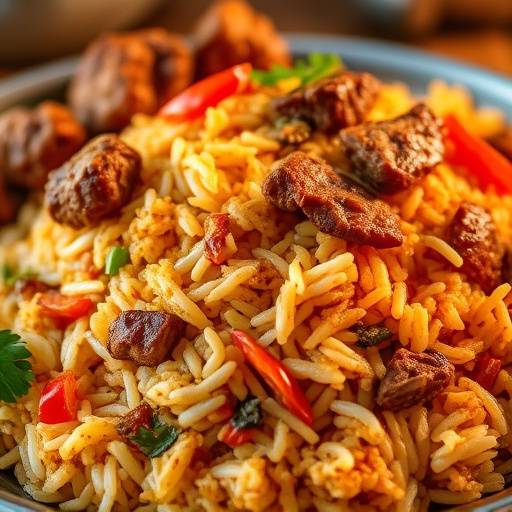
Breyani
Breyani, also spelled Biryani, is a mixed rice dish originating from the Indian subcontinent. South African Breyani is a flavorful and aromatic dish often prepared for special occasions.
Ingredients: Rice (basmati), meat (lamb, chicken, or beef), vegetables (potatoes, carrots, onions), spices (bay leaves, cardamom, cinnamon, cloves, saffron), yogurt, and fried onions.
Preparation: The meat is marinated in yogurt and spices, then layered with rice, vegetables, and fried onions. The dish is steamed or baked until the rice is cooked and the flavors have melded together. Saffron is often added to give the rice a vibrant color and aroma.
Cultural Significance: Breyani is a dish with Indian origins, brought to South Africa by Indian immigrants. It's a popular dish in Durban and other parts of South Africa with large Indian populations, often served at weddings and other celebrations.
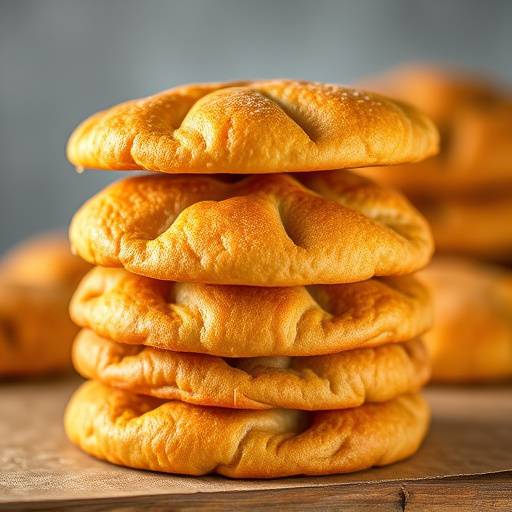
Vetkoek
Vetkoek, meaning "fat cake," is a traditional South African fried dough pastry. It's similar to a doughnut but without the sweetness. It can be served savory or sweet.
Ingredients: Flour, yeast, sugar, salt, water, and oil for frying.
Preparation: The dough is made by mixing flour, yeast, sugar, salt, and water. It's then left to rise before being shaped into small balls and deep-fried until golden brown and crispy. Vetkoek can be filled with savory fillings like mince or served with jam and cheese.
Cultural Significance: Vetkoek is a popular South African snack or light meal, often sold at markets and roadside stalls. It's a simple but satisfying treat that is enjoyed by people of all ages.